
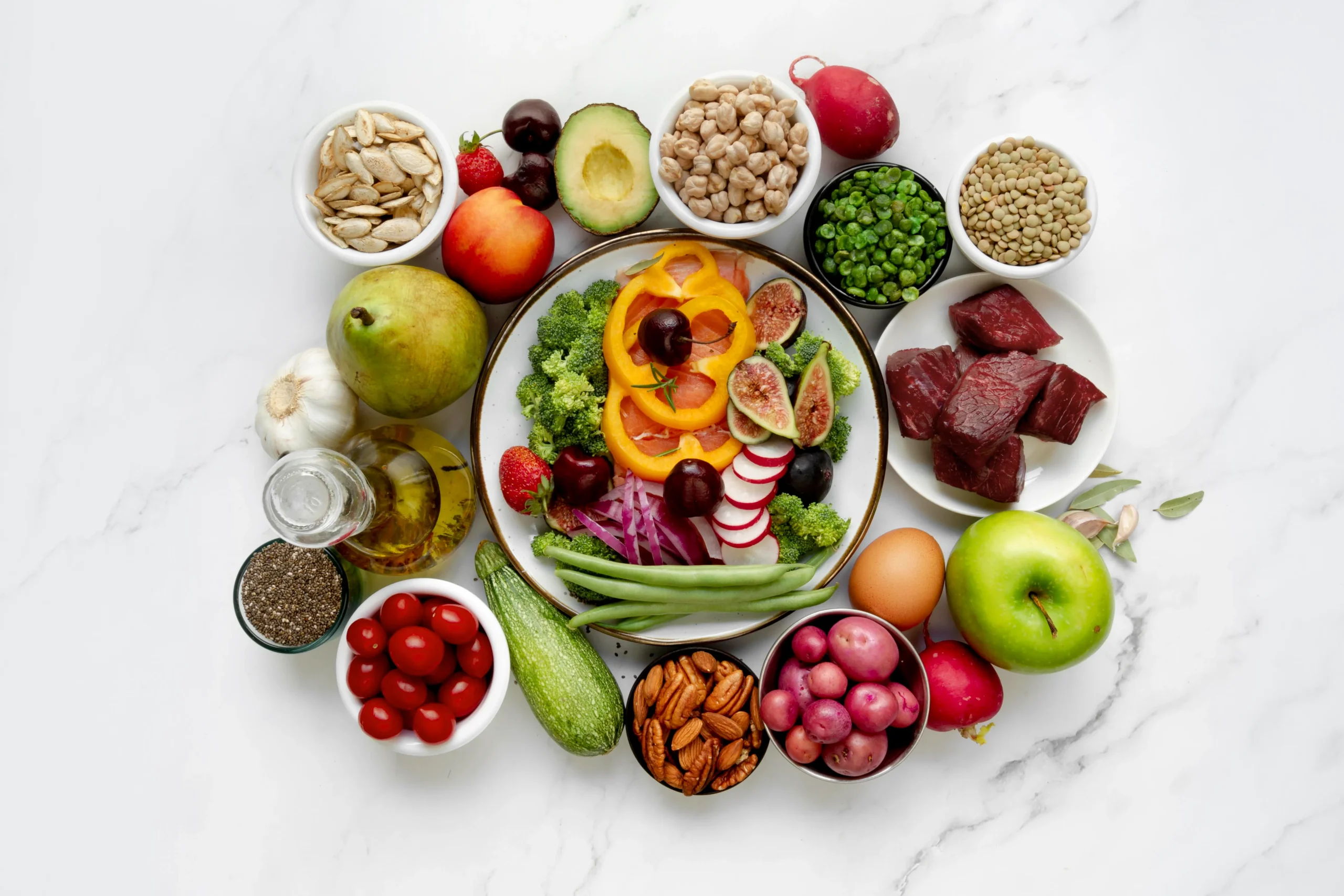
A healthy meal is vital in ensuring healthy living and correct digestion. It gives the body the nutrients it requires to work efficiently such as carbohydrates, proteins, fats, vitamins and minerals.
The body is primarily dependent on carbohydrates as its source of energy. They assist in powering up day-to-day operations as well as performance. The decision to use whole grains instead of refined carbohydrates enhances digestion and gives long-term energy.
Proteins are significant to growth and repair. They are important constituents of a balanced diet because they aid in the development as well as sustenance of tissues. The combination of various sources of protein promotes general wellbeing.
Fats also need to be taken but in small portions. Fatty acids are good and aid brain activity and aid in the absorption of some vitamin.
Vitamins and minerals are important in the sustenance of body functions. They assist the immune system and aid in processes regulation including metabolism.
Specifically, fiber is significant to digestion. It aids in the regulation of the bowel movements and promotes the health of the gut. Fruits, vegetables and whole grains are foodstuffs that contain high levels of fiber.
Another factor to consider in a balanced diet will be hydration. Consumption of adequate water aids the body to process nutrients and stay healthy in the digestive system.
Balanced diet is also useful in energy maintenance during a day. It helps avoid sudden energy loss and promotes the well-being.
Unhealthy eating may cause some digestive complications like bloating and discomfort. These issues can be avoided by choosing healthier food.
Consumption of diverse food types makes the body get all required nutrients. It also makes food exciting and fun.
Eating in moderation is a way of preventing excessive eating. Properly balanced meals are helpful in digestion.
In general, a healthy diet is the key to being healthy. It helps in digestion, vitality and health.